How to Personalise Cold Emails at Scale (Without Sounding Automated)
Everyone recognises a mail merge. "Hi {FirstName}, I was really impressed by the work you are doing at {CompanyName}" is not personalisation — it is a form letter with a hole in it, and the recipient identifies it in under a second.
Genuine personalisation is a research problem. The question is how to do enough of it, fast enough, to matter.
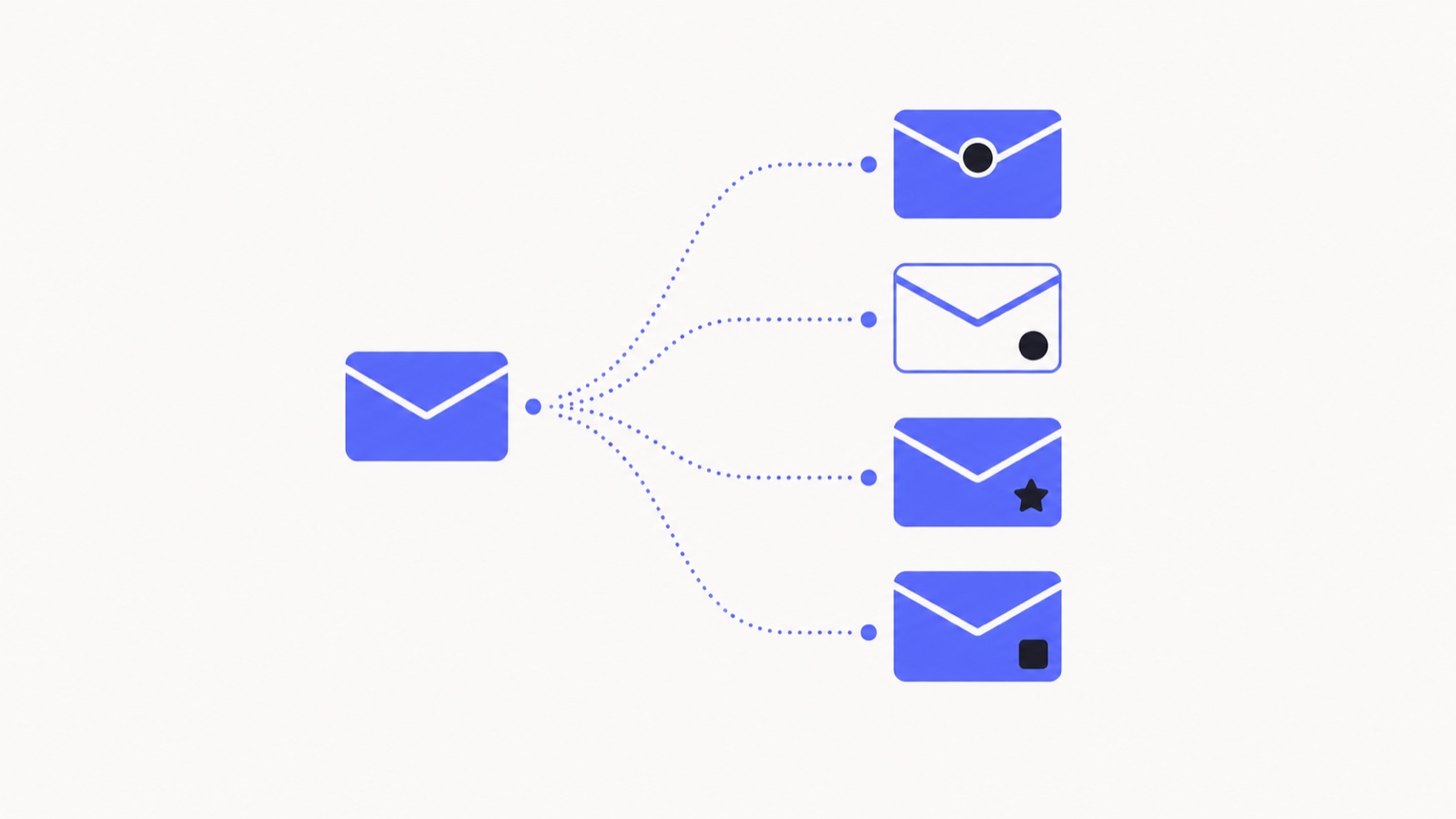
The levels
- Level 0 — merge fields. Name, company, job title. Free, and worth almost nothing; it is what every automated tool does.
- Level 1 — segment relevance. The email is written for a specific type of company with a specific problem. Not personal, but genuinely relevant, and it scales properly.
- Level 2 — an observation. One true thing about *this* company that took real effort to find. This is the level that changes reply rates.
- Level 3 — a demonstrated insight. You looked at their product, ran an audit, found something specific and useful. Expensive, and it converts extremely well for high-value targets.
What to look for, in 90 seconds
You do not need a dossier. You need one specific, true, relevant fact. A short checklist, in order of how quickly it pays off:
- Their careers page. Hiring three support staff means support volume is a live problem. Hiring a first data engineer means reporting is a live problem. Job listings are the most under-used signal in outreach.
- Recent company news. Funding, a launch, an acquisition, a new market. Each creates predictable follow-on problems.
- Their actual product. Sign up. Use it. Thirty seconds of genuine use produces better material than any database.
- Their public writing. A blog post or conference talk by the person you are emailing tells you what they care about in their own words.
- Visible technical facts. For a web business, a page load measurement or a visible integration is objective, specific, and immediately relevant.
How to keep it fast
The practical trick is to batch by segment, not by contact. Pick twenty companies that share a situation — Shopify stores that just raised, agencies hiring their first developer — and write one strong email for that situation. Then spend 60–90 seconds per contact adding a single observation.
That is roughly 30 minutes for twenty genuinely personalised emails, which is a far better use of an hour than 500 merge-field messages that damage your sending reputation. The maths behind that is in cold email response rates.
Where to put it
The observation belongs in the first sentence, because that sentence often appears in the inbox preview beside your subject line. Opening with "I hope this email finds you well" wastes the single most valuable line you have.
You are hiring two more support engineers — which usually means ticket volume is growing faster than the team. We cut first-response time about 40% for a company at roughly your stage by fixing the routing rather than adding headcount. Worth 15 minutes, or is this already handled?
Where automation genuinely helps
Automating the research is mostly a trap — scraped "personalisation" reads worse than none, because it is confidently wrong in ways a human never would be. Where automation earns its place is everything around the writing:
- Finding and qualifying the right accounts, so your research time goes to plausible targets.
- Timing. Knowing which threads are warm right now, so your follow-up lands when someone is actually reading.
- Sequencing and reminders, so nothing is dropped.
- Drafting follow-ups from a thread you have already had — a genuine context the model can work from, unlike a cold first touch.
That last point is the honest boundary. AI is poor at inventing a first-touch observation and good at drafting the fourth message in a conversation that already has substance. We built ours accordingly.
What gives you away
- Merge-field artefacts — a stray "Hi ," or a company name with "Inc." awkwardly appended.
- Praise that could apply to anyone. "Love what you are building" is the clearest possible automation tell.
- Timing that is identical to the second across many recipients.
- An observation that is technically true but obviously scraped — quoting a five-year-old press release.
- Length. A 400-word first email from a stranger did not come from someone who values your time.
MailSenseAI focuses on the part after the first email — showing which threads are genuinely warm and drafting the follow-up when the signal says it is time, without ever referencing the tracking data in the message. Free and unlimited; the sequence structure is in the cold email follow-up sequence.
See it in your own inbox
Know what happens after you hit send.
MailSenseAI shows opens, clicks, and replies in real time — right inside Gmail — so you follow up at the moment interest is highest.
Add to Gmail · free